
Ophthalmologist Training: Educational Pathway, Core Competencies, and Professional ContextRiver Song |

Author's bio : Sustainable project manager and trainer, advocating for green skills and ethical practices in the workplace.
Ophthalmologist training refers to the structured educational and clinical preparation required for medical doctors who specialize in eye and vision care. This training pathway is defined by formal medical education standards, supervised clinical experience, and regulatory requirements that vary by country and region.
This article provides an objective overview of ophthalmologist training by outlining its educational stages, core areas of knowledge and practice, professional competencies, and the broader healthcare context in which ophthalmologists operate. The discussion follows a neutral, explanatory structure intended solely for informational purposes.
Purpose and Structure of Ophthalmologist Training
The primary purpose of ophthalmologist training is to develop medical professionals with the knowledge and clinical skills necessary to assess, manage, and monitor conditions related to the eye and visual system. Training is typically sequential, progressing from general medical education to specialized ophthalmic instruction.
Training structures are designed to ensure:
- A foundation in general medicine
- Specialized understanding of ocular anatomy and physiology
- Clinical exposure to a range of eye‑related conditions
- Familiarity with diagnostic and procedural techniques
The exact structure and duration depend on national medical education frameworks.
Educational Pathway Overview
Ophthalmologist training generally includes several key stages:
Undergraduate Medical Education
Training begins with completion of a medical degree, during which students study general medical sciences such as anatomy, physiology, pathology, and pharmacology.
Postgraduate Medical Training
After earning a medical degree, graduates enter postgraduate training programs. This phase often includes:
- Internship or foundational clinical training
- Residency programs focused on ophthalmology
Residency training emphasizes supervised clinical practice and progressive responsibility.
Subspecialty Training (Optional)
Some ophthalmologists pursue additional training in subspecialty areas such as:
- Retina and vitreous
- Cornea and external eye conditions
- Pediatric ophthalmology
- Neuro‑ophthalmology
Subspecialty pathways are not universal and depend on institutional availability and professional objectives.
Core Knowledge and Clinical Competencies
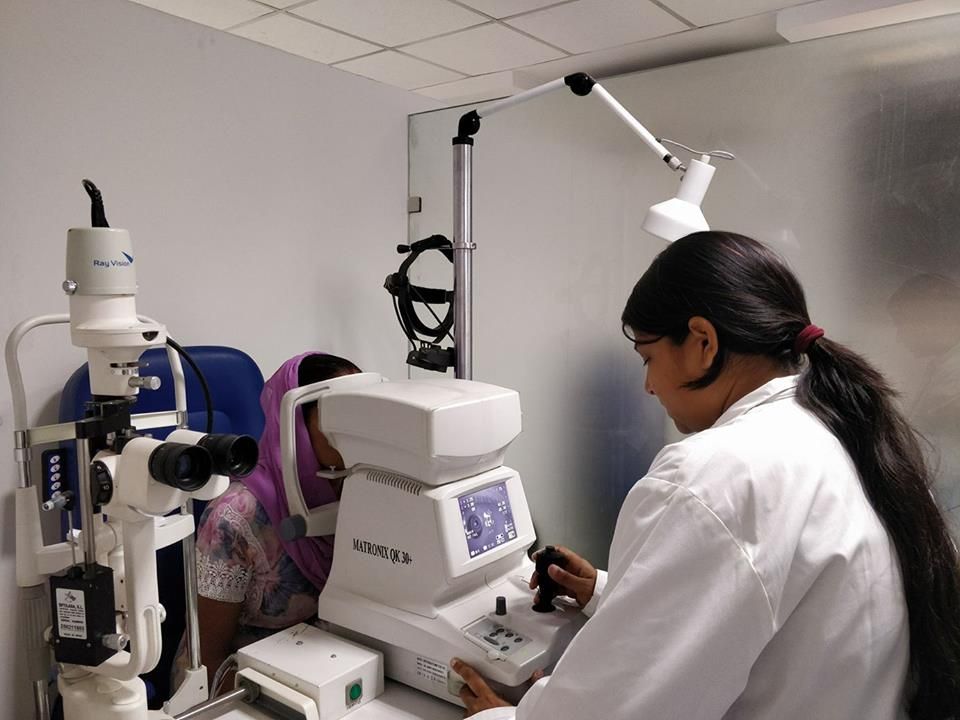
Ophthalmologist training typically covers a broad range of theoretical and practical areas, including:
- Ocular Anatomy and PhysiologyStudy of eye structures and visual pathways.
- Clinical Examination TechniquesMethods for assessing vision, eye movement, and ocular health.
- Diagnostic ProceduresUse of imaging and testing tools relevant to eye care.
- Medical and Surgical PrinciplesUnderstanding of treatment approaches applied within ophthalmic practice.
- Patient Communication and EthicsTraining in professional conduct, documentation, and clinical decision‑making.
Competency development is assessed through examinations, supervised practice, and formal evaluations.
Regulatory and Professional Context
Ophthalmologist training is regulated by medical education authorities and professional bodies, which set standards for accreditation, licensing, and continued professional development.
Authoritative organizations providing guidance and educational frameworks include:
- World Health Organization (WHO) – Eye Care and Visionhttps://www.who.int
- International Council of Ophthalmology (ICO)https://www.icoph.org
- World Federation for Medical Education (WFME)https://wfme.org
These organizations support educational standards and global collaboration but do not directly manage individual training programs.
Summary and Outlook
Ophthalmologist training represents a comprehensive medical education pathway that integrates general medicine with specialized eye and vision care instruction. Through structured education, supervised clinical experience, and regulatory oversight, this training prepares physicians to operate within defined professional and healthcare frameworks.
As medical education systems and clinical practices evolve, ophthalmologist training pathways may continue to adapt in response to scientific developments, population needs, and healthcare policies.
Common Questions
What is ophthalmologist training?
It is the medical education and clinical training required for physicians specializing in eye and vision care.
Does ophthalmologist training begin after medical school?
Specialized ophthalmology training typically occurs after completion of a medical degree.
Is training the same in every country?
No. Training structure, duration, and certification requirements vary by region.
Are subspecialties part of ophthalmologist training?
Some practitioners pursue additional subspecialty training, depending on available programs and professional focus.
Who regulates ophthalmologist training?
Medical councils, educational authorities, and professional organizations oversee training standards and licensing.